
Hightlight
-
 Car parking
-
 Non smoking
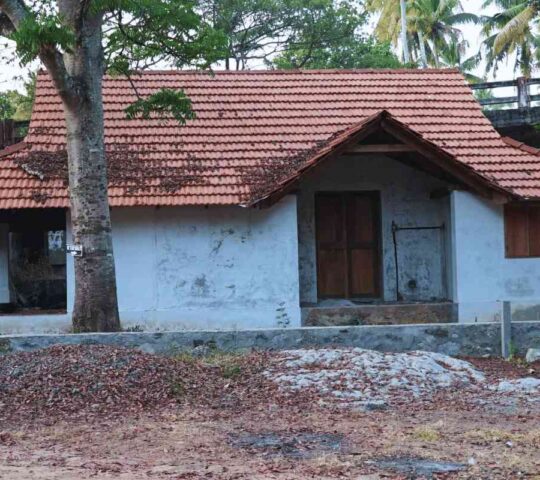
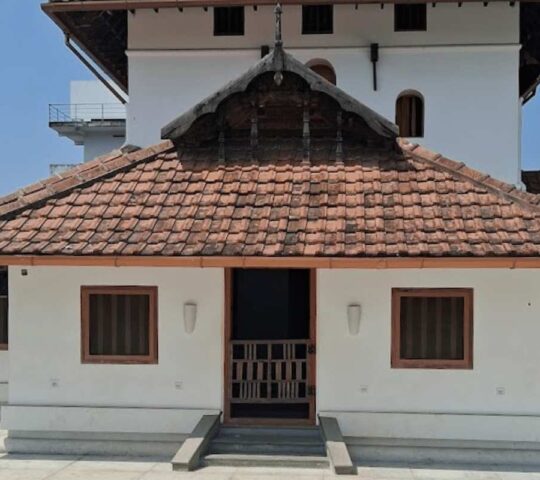
Koodalmanikyam Temple, located in Irinjalakuda in Thrissur district, is one of Kerala’s most unique and historic temples. Nestled within a sprawling 10-acre compound, it features citadel-like walls, gateways, and four temple ponds, offering a serene atmosphere in the heart of the town.
Koodalmanikyam: A Unique Temple Dedicated to Lord Bharata
This temple holds the distinction of being the only ancient shrine in India dedicated to Lord Bharata, the brother of Lord Rama. Koodalmanikyam is an important stop in the Nalambalam pilgrimage, where devotees visit temples dedicated to Rama, Bharata, Lakshmana, and Shatrughna.
The temple’s origins trace back to the 9th century, with inscriptions from the Chera kings. Later expanded around the 15th century, the structure showcases the best of Kerala temple architecture. The copper-plated circular sanctum, majestic eastern gopuram, and the Koothambalam (temple theatre) reflect its cultural importance, having hosted performances of Kathakali, Koothu, and Koodiyattom for centuries.
Art, Rituals, and Festivals
Koodalmanikyam Temple is renowned for its frescoes, murals, wood and stone carvings, and Kerala-style design. Unlike most temples, it has no sub-deities, and rituals exclude camphor, incense sticks, and deepaaradhana. Offerings like the Lotus Garland (Thamara Maala) and Meenoottu (feeding fish in the pond) are particularly popular among devotees.
The temple’s annual 11-day festival in April–May marks the grand finale of Kerala’s festival season. Processions featuring caparisoned elephants, Panchavadyam, and Melam fill the grounds with unmatched vibrancy.
Visitor Information
Koodalmanikyam Temple is located just 150 meters from the Irinjalakuda Bus Station, about 20 km from Thrissur town, and 10 km from Irinjalakuda railway station, making it easily accessible to pilgrims and visitors. The temple opens from 3:30 AM to 11:30 AM and again from 5:00 PM to 8:30 PM, though entry is restricted during puja times.
A strict dress code is followed—men are required to wear a mundu or dhoti, and shirts are not permitted inside the sanctum. With ample parking facilities, a peaceful atmosphere, and well-maintained surroundings, the temple ensures a comfortable experience for all devotees.