Hightlight
-
 Car parking
-
 Non smoking
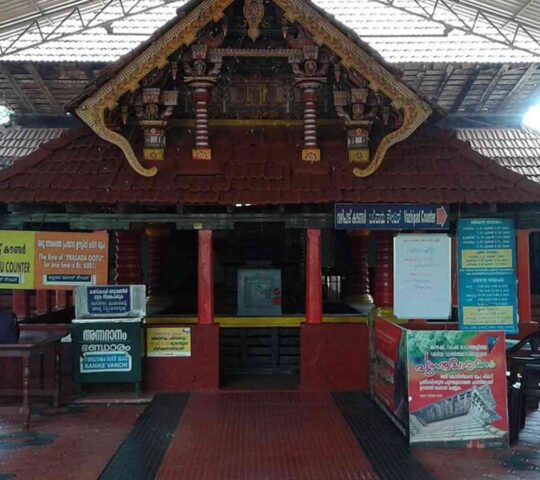
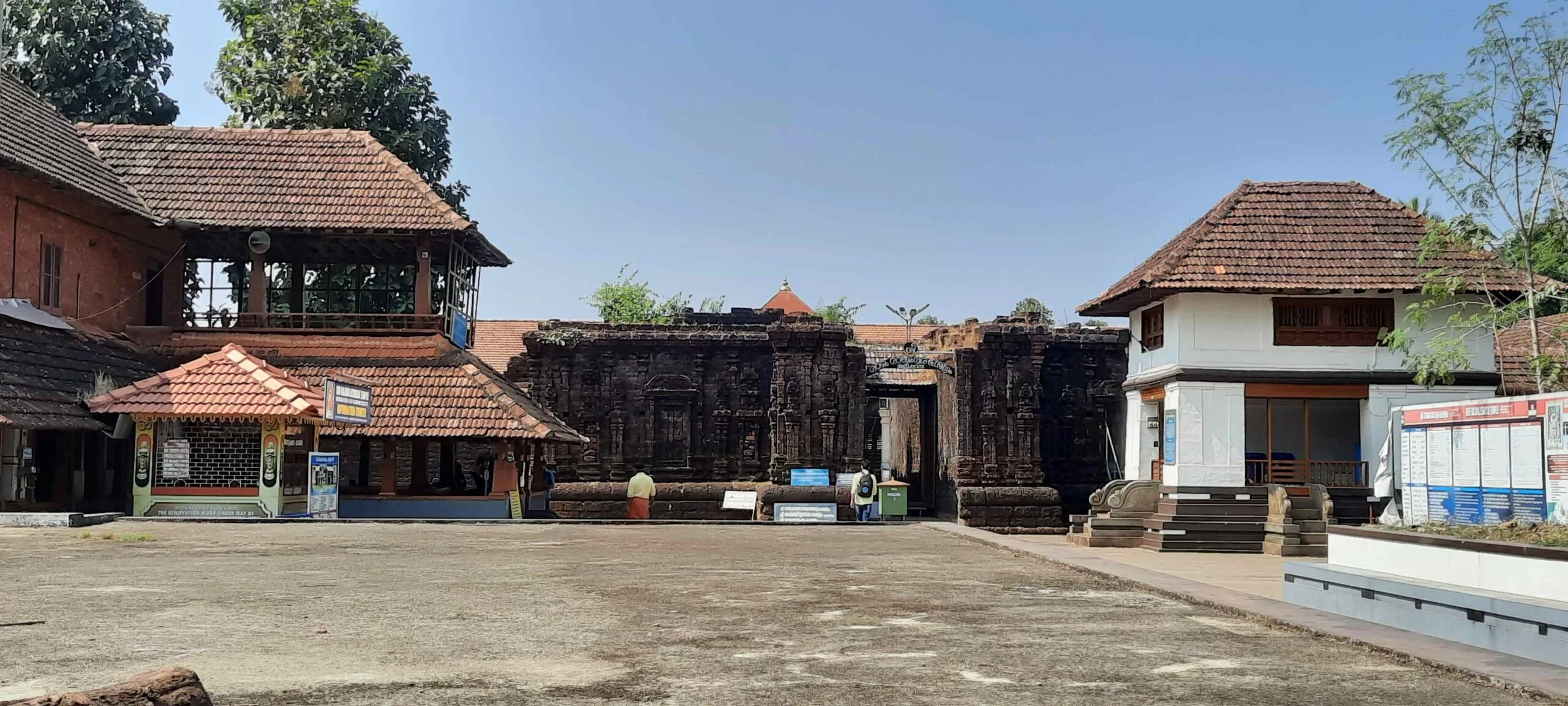
The Sri Rajarajeshwara Temple Taliparamba, Kannur, is one of Kerala’s most revered Shiva temples and a prominent Shakti Peetha. Known as one of the 108 ancient Shiva shrines, it is believed to have been consecrated by Lord Parashurama and later renovated by the Kolathiri dynasty. The temple carries immense historical, architectural, and spiritual significance, making it a key pilgrimage destination.
History and Significance of Sri Rajarajeshwara Temple
Legends trace the temple’s origins to the Treta Yuga when Sri Rama is said to have worshipped here. The sacred Shiva Linga, considered thousands of years old, is linked to sages Maandhata, Muchukunda, and Satasoman, with Sage Agastya believed to have performed the consecration. It is unique in worship practices, as Tulsi is offered instead of Bilva, blending Vaishnavite customs with Shaivite devotion.
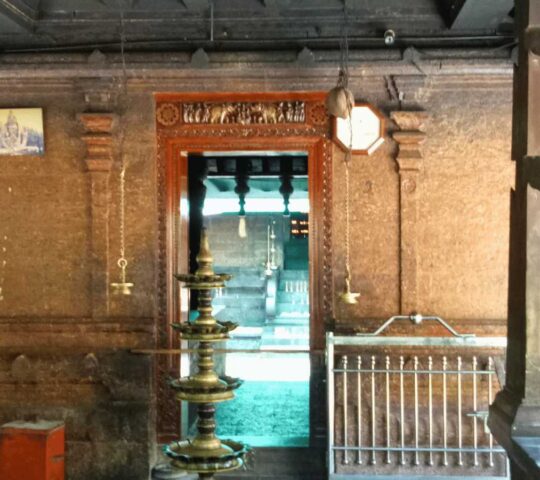
Architecturally, the temple follows the Kerala style with a two-tier pyramidal roof and massive stone walls. The shikhara, weighing nearly 90 tonnes, is considered the tallest of its era. Despite partial destruction during Tipu Sultan’s invasion, the temple stands as a timeless symbol of resilience and devotion.
Women are permitted entry into the sanctum only after the Athazha Pooja in the evening, symbolizing the divine union of Shiva and Parvati. The shrine lacks a flag post or temple festivals, and the deity never leaves the sanctum, highlighting its unique traditions.
Visitor Information
The temple is open from 4:45 AM to 12:00 PM and 5:00 PM to 8:30 PM. Men must wear a dhoti, while women are required to wear a saree or salwar; pants and shirts are not permitted. Entry is restricted to Hindus, and children below five years are not allowed inside the sanctum. Annadhanam is served daily after the noon rituals, and the atmosphere remains calm and deeply spiritual.
Located in Taliparamba, the temple is about 39 km from Kannur International Airport and 25 km from Kannur Railway Station. Nearby attractions include the Trichambaram Temple, Madayi Kavu, and the Kalarivathukkal Bhagavathy Temple, making the region a vibrant spiritual hub.
FAQs
Where is the temple, and how do I reach it?
The temple is located 1.8 kilometers away from Taliparamba town. The nearest airport is Kannur International Airport, which is 35 kilometers away, and the nearest railway station is Kannur, which is 22 kilometers away from the Sri Rajarajeshwara Temple, Taliparamba.
Best Time to Visit Sri Rajarajeshwara Temple, Taliparamba
The best time to visit the Sri Rajarajeshwara Temple is from January to April, as it is the Utsav season. Daily darshan hours are early morning and evening; typically, the temple opens around 04:45–05:00 AM and closes mid-day, then reopens in the evening (around 05:00 PM to 08:30 PM). Check local notices before visiting, as timings may vary on festival days.
Is there a dress code or any special entry rules?
Yes. Men are expected to wear traditional dhoti/mundu (no shirts inside the sanctum), and women should wear saree or salwar-kameez (no western wear). Mobile phones, bags, and certain accessories are typically restricted inside; cloakroom facilities are available outside.
Are women allowed inside the sanctum? If yes, when?
Women are allowed entry into the sanctum only after the Athazha (night) pooja—usually after the evening dinner offering (around 7:00–7:30 PM). Children below a certain age (often cited as under 4–5 years) may not be permitted. Always confirm current practice locally.
Who can enter the temple? Are non-Hindus allowed?
The temple traditionally restricts entry to practicing Hindus for inner sanctum darshan; public areas and overall complex can be visited by many, but rules have been enforced historically—check current official guidance before planning a visit.
What is the historical and religious significance of the temple?
Rajarajeshwara is one of Kerala’s 108 ancient Shiva temples and a revered Shakti Peetha. Legends link the site to Parashurama, Sage Agastya, and episodes from the Treta Yuga; the Shiva linga here is considered very old and spiritually important.
Which festivals and special rituals are celebrated here?
Major observances include Maha Shivaratri and other temple-specific rituals like Sankaranarayana puja. Unique practices include offerings with ghee (ney vilakk / ney vilakkam) and special neyyamruth/annadhanam traditions. The shrine does not have a traditional flagstaff or large annual utsavam like some temples.
Are there any special offerings or customs visitors should know?
Offerings like ghee lamps and vessels filled with ghee are customary; devotees also perform traditional pledges (vazhipadu). Prostrating on the Namaskara Mandapam is usually not permitted due to its association with Lord Rama.
Is photography allowed inside the temple?
Photography and mobile use are often restricted inside the sanctum and certain parts of the complex—follow on-site signage and instructions from temple staff.
What are practical visitor tips?
The temple is calmest on weekdays; weekends and festival days see heavy crowds and queues. Limited parking is available nearby; annadhanam (free meals) is usually served after noon. Early morning or evening visits give a more peaceful experience.